
Balinese etiquette is key to having a respectful and enriching experience on the Island of the Gods. Bali is more than just beaches and villas—it is a living culture shaped by deep spiritual values and everyday rituals. While the island welcomes millions of travelers every year, respecting the traditions and etiquette of the Balinese people is essential for meaningful and responsible tourism. Whether you’re exploring temples, joining ceremonies, or simply greeting a local, small gestures of respect go a long way. This guide will help you understand the basic customs, temple manners, and cultural behaviors that make your visit not only enjoyable but also respectful of Balinese culture.
The Basics of Balinese Etiquette
Greeting Locals with Respect
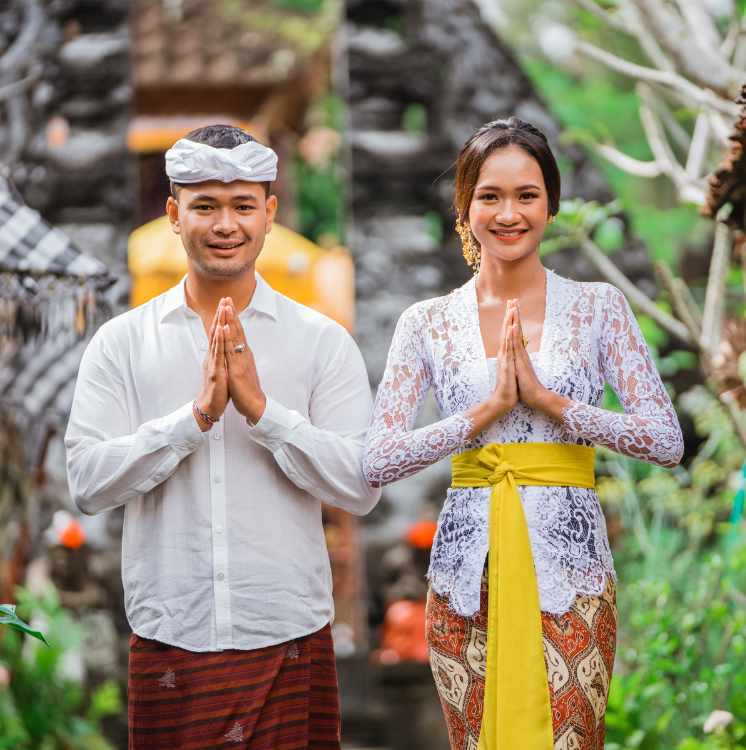
Begin with a smile—it’s a simple but meaningful gesture that reflects the Balinese value of harmony. In casual settings, handshakes are fine. For formal or spiritual contexts, use the Sembah: place palms together at your chest with a slight bow, especially when greeting elders or religious figures.
Speaking and Behavior in Public
Balinese people speak gently and respectfully. Raising your voice, arguing, or displaying anger in public is considered rude. Keep conversations calm, avoid pointing with your finger, and use your whole hand or chin to gesture instead.
Dress Modestly, Especially in Villages
Modesty in clothing is an important part of Balinese culture. Avoid revealing outfits outside the beach. When visiting villages or ceremonies, cover your shoulders and knees. This shows respect and helps you blend in appropriately with local customs.
Entering the Temple Grounds and Guidelines for Women
Proper Attire and Respectful Conduct
Visiting a Balinese temple is a meaningful experience, but it comes with certain expectations rooted in local belief and tradition. Following Balinese etiquette is essential when entering these sacred spaces. Always wear modest clothing—both men and women should cover their shoulders and knees. A sarong and sash are traditional temple attire, and most temples offer them at the entrance if you don’t have your own. Before stepping inside, remove your shoes as a sign of respect and enter with your right foot first. This small ritual reflects the idea of starting your visit with pure intentions.
Temple Guidelines for Women
Women should be mindful of specific customs tied to religious purity. According to Bali temple rules, women who are menstruating should avoid entering temple grounds. This tradition is based on spiritual beliefs and is widely respected in Bali. If unsure, it’s appropriate to ask a temple guide or local woman. Even when access is limited, you can still enjoy the temple’s surroundings, observe quietly, and appreciate the atmosphere. Keep your voice low, avoid touching offerings, and never sit above a priest. These simple gestures reflect respect for Balinese culture and the island’s sacred values.
Dos and Don’ts for Tourists
Common Mistakes to Avoid
Respecting Balinese etiquette means avoiding behaviors that may seem acceptable elsewhere but are inappropriate here. Do not raise your voice in arguments, even if you’re frustrated with a situation. Screaming at officials or causing a public disturbance will not only offend locals but could also get you in serious trouble. Do not touch or move religious offerings—those little baskets of flowers and incense found everywhere—no matter where you see them. Even stepping on one by accident is considered disrespectful.
Participating in Ceremonies and Processions
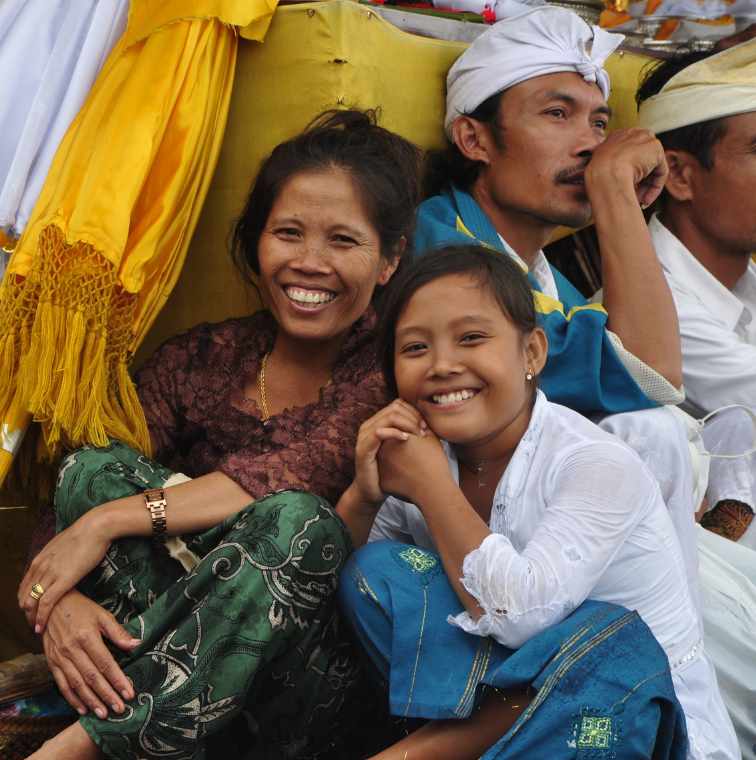
If you come across a street procession or temple festival, it’s perfectly acceptable to watch or take photos—as long as you are not intrusive. Don’t block the path, use flash photography, or interfere with the ceremony. Dress respectfully and keep your distance from the priests and offerings. These moments are sacred and central to Balinese spiritual life, so your respectful presence is welcome.
A Journey of Respect
Understanding Balinese etiquette is not about memorizing a list of rules—it’s about recognizing the values of the people who call this island home. By being mindful of how you dress, speak, and behave in sacred and social spaces, you’re honoring a way of life that is deeply spiritual and community-focused. Your respect helps preserve Balinese culture and builds genuine connections between locals and travelers. Whether it’s your first visit or your fifth, approaching your time in Bali with curiosity and respect ensures a meaningful experience that goes beyond the surface of tourism.