
Tri Hita Karana is a traditional Balinese philosophy that promotes harmony between humans, the environment, and the divine. Deeply rooted in Balinese Hinduism, this concept guides many aspects of daily life in Bali—from religion and community to environmental practices. It teaches that happiness and balance can only be achieved through harmonious relationships with God, fellow human beings, and nature. This principle is evident everywhere in Bali, from temple rituals to how homes are built and how villages organize their communal activities.
The Three Pillars of Tri Hita Karana
1. Parhyangan: Connecting with the Divine
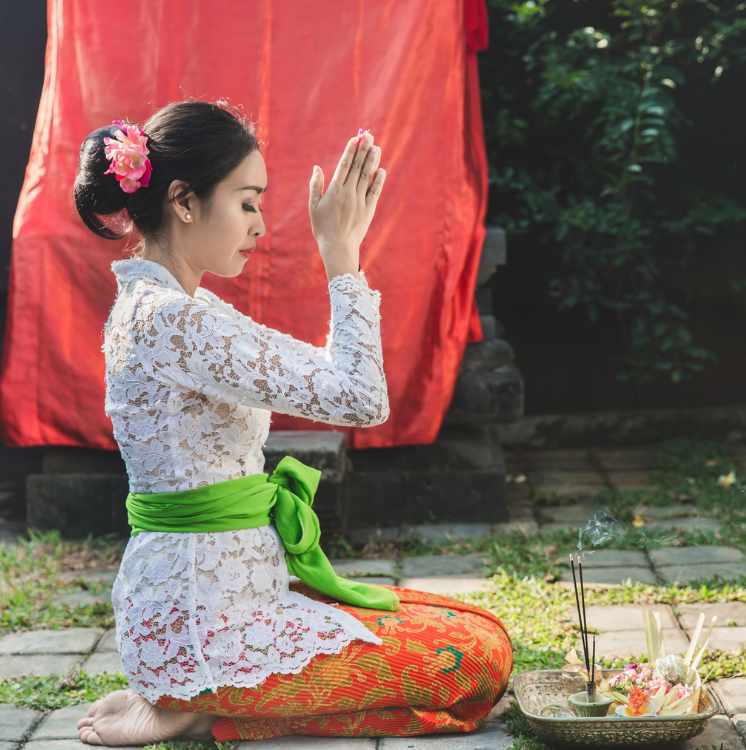
Parhyangan emphasizes the connection between humans and God. In Balinese philosophy, this relationship is sacred. Balinese Hindus worship Sang Hyang Widhi Wasa as the supreme god, with other deities seen as his manifestations. Daily offerings, temple visits, and spiritual rituals help people express gratitude and keep spiritual balance alive. Across Bali, small offerings called canang sari appear in homes, streets, and temples. These gifts invite blessings and show daily devotion. When visiting temples, follow the Bali temple rules. Wear a sarong and sash, enter quietly, and avoid loud behavior. Women on their period or those considered spiritually impure should wait before entering. These customs protect the temple’s sacredness and keep the spiritual connection strong.
2. Pawongan: Living in Harmony with Others
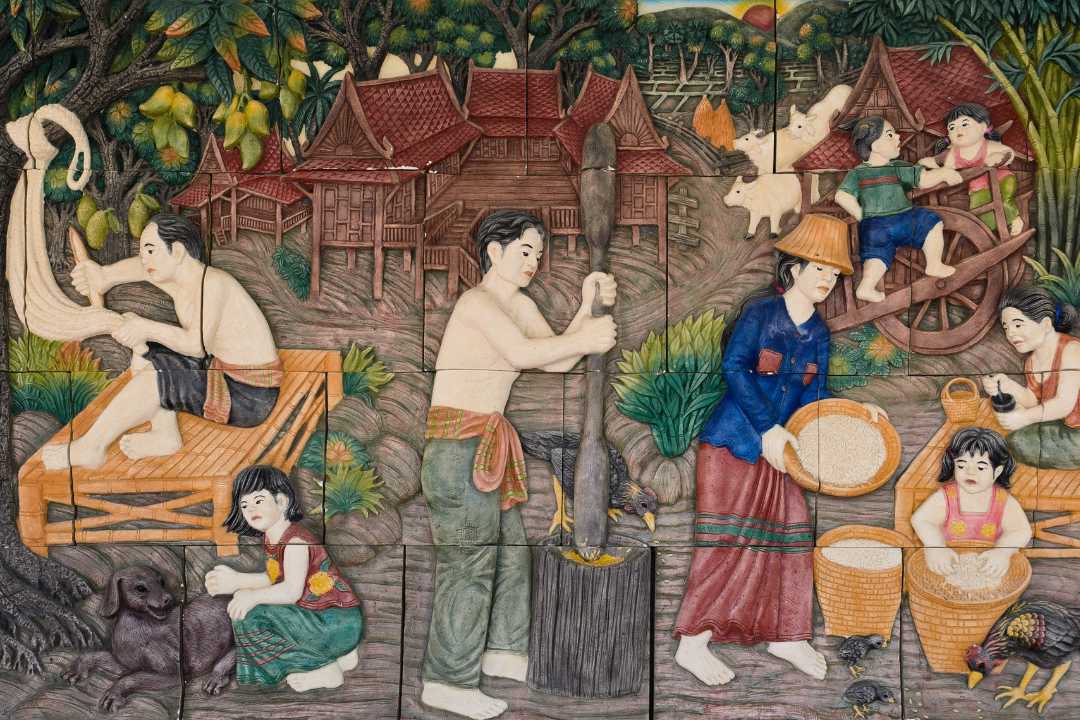
Pawongan promotes kindness and cooperation among people. In Bali, strong family ties and community life play a big role. This part of Tri Hita Karana encourages mutual help, respect, and support. You will often see gotong royong—locals working together on community tasks like temple clean-ups or ceremony prep. Balinese people speak kindly, act respectfully, and support each other in daily life. They value harmony in all human relationships. When people care for one another, they build a stronger, happier society.
3. Palemahan: Respecting and Protecting Nature
Palemahan teaches people to live in balance with nature. According to Balinese philosophy, the land, rivers, and forests are sacred gifts. The Balinese treat nature with deep respect and see environmental care as a spiritual duty. You can witness this in the Subak irrigation system. Farmers share one water source to nourish rice fields fairly. They work with nature instead of against it. From farming to architecture, the Balinese protect their environment and show that sustainability is part of spiritual life.
Tri Hita Karana in Everyday Life
Rituals and Ceremonies
Balinese rituals bring Tri Hita Karana to life. During temple anniversaries, called Odalan, villagers gather to pray, dance, and offer gifts. These events connect them to their gods, their neighbors, and nature.
Decorations like Penjor—tall bamboo poles seen during festivals—show these ties. Locals decorate them with natural items like leaves, rice, and flowers. These symbols represent harmony between heaven and earth. Every detail, from color to shape, carries spiritual meaning.
Architecture and Home Design
Balinese people design their homes based on Tri Hita Karana. They include shrines for prayer, open spaces for family life, and gardens for nature. Each part of the house faces a certain direction to honor the balance between divine, human, and natural elements.
Shrines usually face the sacred mountain or sunrise. The center of the home serves for gathering and daily life. Gardens or animal spaces go in less sacred directions. This layout helps families live peacefully with the spiritual world and their surroundings.
Why Tri Hita Karana Still Matters Today
Balancing Modern Life with Tradition
Even with modern growth, Bali continues to follow Tri Hita Karana. Schools teach children to respect their culture. Villages hold clean-up events and maintain temples. Tour businesses also take part by using eco-friendly practices and supporting local communities. The Balinese believe that harmony is not a one-time goal. It needs daily care. They show that tradition and progress can live side by side. Their way of life proves that balance brings happiness.
Promoting Sustainability and Wellbeing
Tri Hita Karana does more than guide religion or culture—it supports a healthy lifestyle. In today’s world, where climate change, stress, and disconnection grow, Bali offers an example of balance. The Balinese show that you can live in harmony by respecting nature, caring for people, and connecting spiritually. Other communities around the world can apply these values. Whether through eco-living, helping neighbors, or practicing mindfulness, the path to wellbeing lies in balance. Bali shows that harmony, once achieved, creates lasting happiness.