
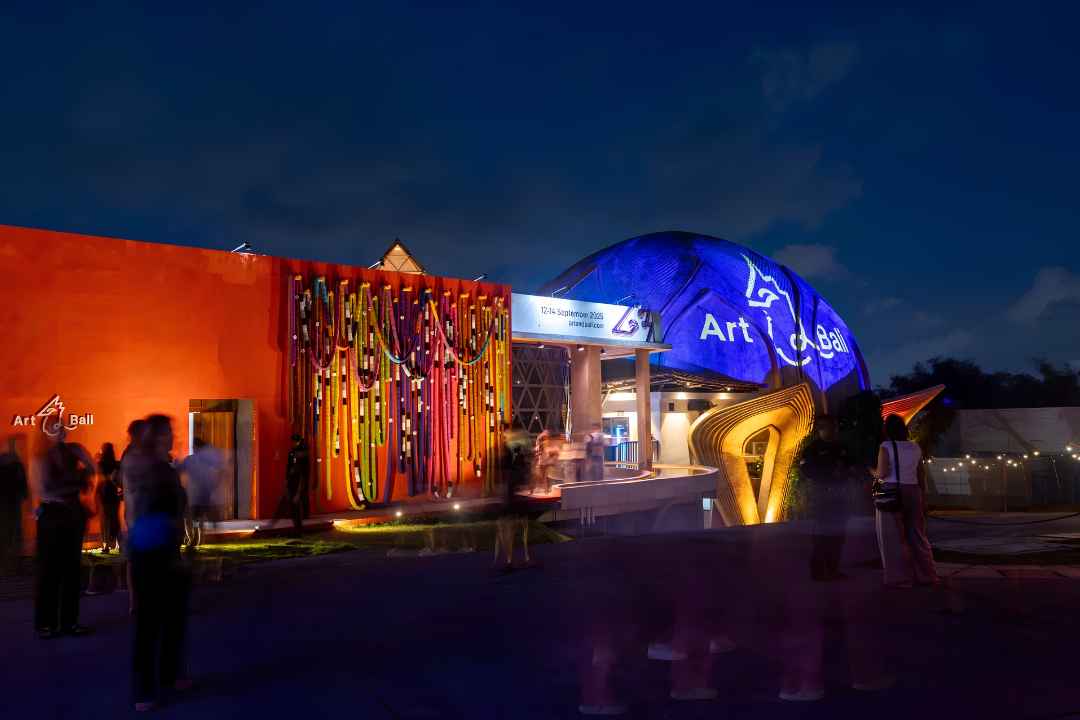
Art & Bali 2026 returns to Nuanu Creative City in Tabanan from 11 to 13 September, bringing contemporary art, fashion, craft, design, and cultural exchange together in Bali. Following the success of its first edition, the international art fair returns with a larger creative platform. This year, 22 galleries and creative spaces will participate, while more than 300 artists will feature across the wider program. Moreover, visitors can discover a curated exhibition, creative talks, installations, and immersive experiences throughout Nuanu. Therefore, Art & Bali 2026 offers much more than a conventional art fair. It creates a meeting point where local perspectives connect with regional and international creative communities.
The first Art & Bali welcomed more than 10,000 visitors in 2025. It also brought together 18 participants and more than 150 artists. Consequently, its return marks another important step for Bali’s growing contemporary art scene. However, the organizers are not simply aiming for a larger event. Instead, they continue to develop a boutique international art fair that values quality, meaningful connections, and cultural dialogue.
So, what makes this year’s edition worth discovering? From hundreds of artists to the meeting of Indonesian and Indian creative traditions, here are seven exciting highlights of Art & Bali 2026.
1. Art & Bali 2026 Returns With a Bigger Creative Platform
Art & Bali began with an ambitious idea. Rather than copying the format of major international art fairs, the event aims to create an experience that connects naturally with Bali. That direction continues this year.
The 2026 edition grows from 18 participants to 22 galleries and creative spaces. Meanwhile, more than 300 artists will be featured across the fair, compared with over 150 in the previous edition.
However, growth does not mean abandoning the event’s original character. Art & Bali continues to embrace a boutique approach. Therefore, the fair places greater attention on quality, meaningful encounters, and the relationships that develop between artists, galleries, collectors, and visitors.
At the same time, the marketplace plays a clearer role in 2026. Visitors can discover artworks while also engaging with the ideas and cultural stories behind them.
A Local Setting With International Connections
Bali provides a distinctive setting for this approach.
The island has generations of artistic traditions. Painting, carving, textiles, architecture, dance, and ceremonial practices remain closely connected with everyday cultural life. Meanwhile, Bali continues to attract artists, designers, architects, collectors, and other creative professionals from around the world.
As a result, Art & Bali 2026 can connect international perspectives with an environment that already has a strong creative identity.
The event also explores relationships between seemingly different worlds. Art meets design, while traditional practices encounter contemporary ideas. Likewise, local perspectives enter conversations with international ones.
Rather than separating these elements, Art & Bali brings them into the same creative space.
2. Explore 22 Galleries at Art & Bali 2026
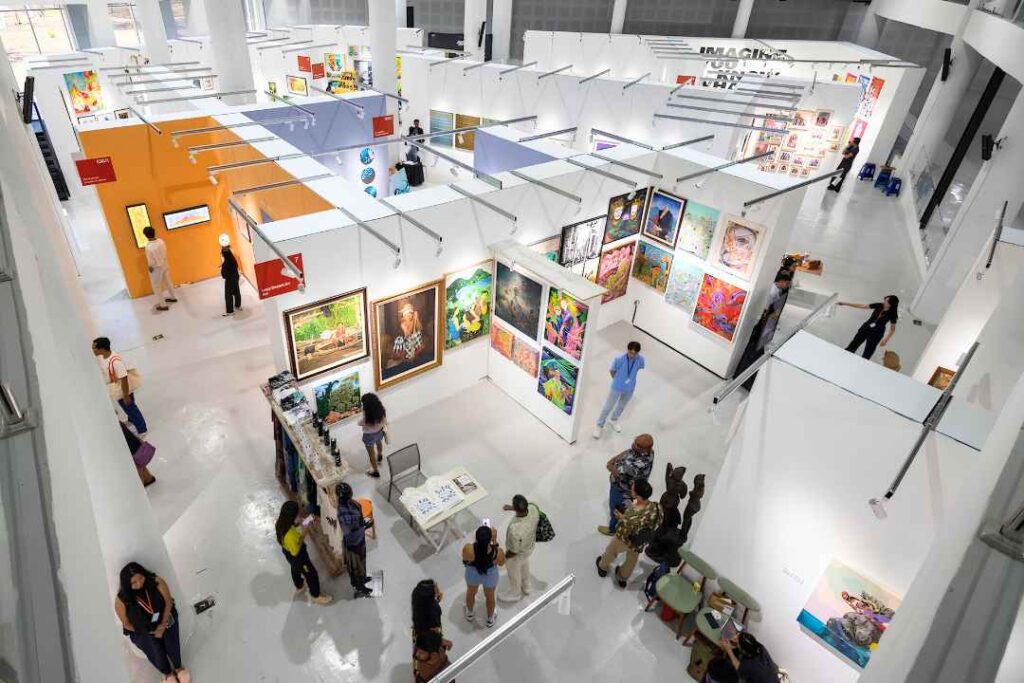
One of the main attractions this year is the opportunity to explore 22 participating galleries, museums, collectives, artist-led spaces, and creative studios in a single event.
The participants represent different creative communities across Indonesia and the wider region. They come from Bali, Jakarta, Bandung, Yogyakarta, Malang, Singapore, Kuala Lumpur, and international creative networks.
The official lineup includes Agung Rai Museum of Art (ARMA), Asia Pacific Print Club, Batu Belah Art Space, Connected Art Platform, G13 Gallery, Gallery Seputih, Grey Gallery, Gurat Institute, Kotak Art Collective, LANÖ Art Project, Mabiang Seni, and Miwa.
Moreover, Muse, Philo Art Space, Pintu Saren, RUANG//, Ruang Arta Derau (RAD), Sangkring, Santrian Art Gallery, Studio Dinding Luar, Superlative Gallery, and TONYRAKA join the 2026 edition.
This variety gives audiences the chance to discover different approaches to contemporary art without having to move between separate venues.
More Than a Conventional Art Marketplace
The range of participants also gives the fair a broader character.
Visitors will not encounter only traditional commercial galleries. Instead, museums, creative platforms, collectives, studios, and independent spaces contribute different perspectives. Therefore, the fair can appeal to several types of visitors.
Experienced collectors may arrive looking for particular artists. In contrast, first-time buyers can explore the art market in a more approachable setting. Other guests may want to discover contemporary creativity.
Furthermore, conversations with gallery representatives can help visitors understand the artists, materials, techniques, and stories behind individual works. The marketplace remains important. However, discovery and dialogue continue alongside commercial activity.
3. Discover More Than 300 Artists in Art & Bali 2026
Another major highlight comes from the scale of creative representation. More than 300 artists will feature through participating galleries and creative spaces at Art & Bali 2026. Consequently, visitors can expect a wide mix of styles, ideas, materials, and artistic perspectives.
Some guests may already recognize established names. Others may discover emerging artists for the first time. Meanwhile, casual visitors can follow the works that capture their attention.
The regional connections make this mix even more interesting.
Participating spaces represent several Indonesian creative centers, while regional and international connections expand the conversation beyond the country. Therefore, the fair creates opportunities for creative communities that may rarely meet in the same place.
Artists can reach new audiences. Galleries can build relationships with collectors. Likewise, visitors can encounter work outside their usual creative circles.
Art & Bali 2026 Creates New Creative Connections
These interactions matter because an art fair does more than display finished works.
Conversations can lead to future collaborations. Likewise, an introduction between a collector and an artist may develop into a longer relationship. Galleries can also connect with new audiences from Bali and overseas.
Moreover, international visitors bring their own perspectives to the experience.
For Bali, these exchanges can strengthen its connection with the wider contemporary art landscape. At the same time, artists and creative spaces from Indonesia gain another platform to engage with international audiences.
4. What the Body Remembers Connects Art, Fashion and Craft
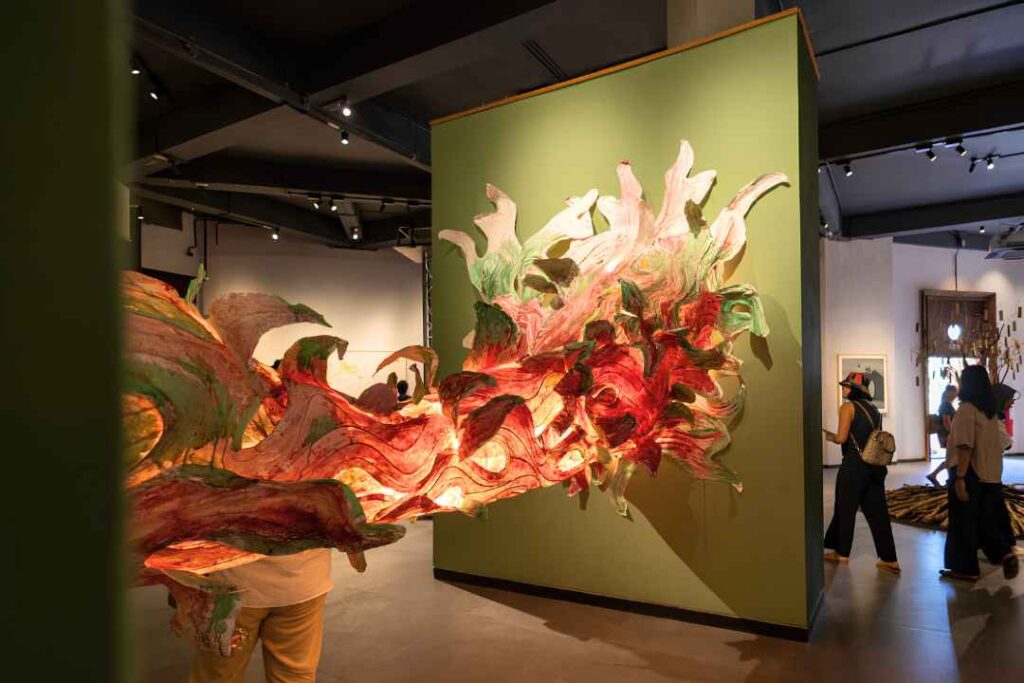
Beyond the main fair, visitors can experience What the Body Remembers, Nuanu’s annual flagship exhibition.
The exhibition opens on 11 September at Labyrinth Art Gallery. However, it continues beyond the three-day fair and runs until 29 November 2026. Therefore, visitors who miss the main Art & Bali weekend will still have an opportunity to experience this part of the program.
Bandana Tewari leads the exhibition as curator, while Brina Paska joins as assistant curator. Together, they explore relationships between contemporary art, fashion, textiles, craft, design, and material culture.
The exhibition features 26 artists, designers, and studios from Indonesia and India. Consequently, it creates an interesting meeting point between two countries with deep histories of craftsmanship, textiles, fashion, and material traditions.
Rather than treating these creative disciplines as separate worlds, the exhibition examines how they influence one another.
Cultural Memory Takes Center Stage at Art & Bali 2026
Two curatorial ideas guide What the Body Remembers: Hand as Archive and Routes of Exchange.
Hand as Archive explores how people carry knowledge through touch, repetition, ritual, and making. For instance, artisans may learn a technique through years of observation and physical practice rather than written instructions.
In this way, the hand can become a living archive. Meanwhile, Routes of Exchange examines how materials, techniques, and cultural practices travel between regions and generations.
This framework creates a meaningful connection between Indonesia and India. Both countries maintain rich textile and craft traditions. However, the exhibition does not present these practices as something fixed in the past. Instead, it explores how contemporary makers continue to reinterpret them.
Participating creative names include Amit Aggarwal, Bibhu Mohapatra, Chanakya School, Gaurav Gupta, Raw Mango, Lulu Lutfi Labibi, TANGAN Privé, Tex Saverio, TOTON, Cinta Bumi Artisans, and other practitioners.
Therefore, the exhibition adds another dimension to the wider Art & Bali experience.
5. Creative Conversations Enrich the Art & Bali 2026 Experience
Art & Bali does not ask audiences to walk through exhibitions and look at finished artworks simply. Instead, conversations also play an important role. The wider program brings together creative figures to discuss art, fashion, cultural ownership, material practices, and other ideas that shape contemporary creativity.
In addition, Nuanu Future Talks: Fashion & Art Leaders takes place on 11 September. The program brings together voices from fashion, art, curation, collecting, and the creative sector.
Announced speakers include Bandana Tewari, Svida Alisjahbana, Irene Umar, Budiman Ong, Wiyu Wahono, Marlowe Bandem, Toton Januar, and Lev Kroll.
Ideas Become Part of Art & Bali 2026
This type of program gives audiences useful context. An exhibition presents the final creative work. However, a conversation can reveal the thinking, experiences, and cultural questions behind it.
Therefore, visitors can experience creativity from several perspectives.
A fashion enthusiast may enjoy discussions around material and identity. Meanwhile, designers can discover new approaches to craft. Collectors may also gain a deeper understanding of contemporary practices.
As a result, Art & Bali 2026 becomes a platform for exchange rather than simply a place for display.
6. Art & Bali 2026 Offers More Than an Art Fair
Gallery presentations remain at the heart of the event. Nevertheless, the wider program extends beyond the main exhibition areas.
Visitors can encounter public discussions, curated exhibitions, creative presentations, installations, performances, and other experiences throughout Nuanu Creative City. This variety allows guests to shape their visit around personal interests.
For example, some may spend hours exploring contemporary artworks. Others may feel more interested in fashion, textiles, architecture, or creative conversations. Meanwhile, first-time visitors can explore at their own pace.
Importantly, the event does not speak only to professional collectors and artists. Designers, architects, cultural practitioners, hospitality professionals, Bali residents, and international visitors can also discover something relevant within the program.
A Creative Event for Curious Visitors
You do not need specialist art knowledge to enjoy Art & Bali 2026. Instead, curiosity can be enough.
This accessible approach can introduce contemporary art to people who might not usually attend an international art fair. Moreover, the combination of art, fashion, craft, design, and cultural experiences broadens the event’s appeal.
Bali already attracts travelers for culture, architecture, food, nature, and design. Therefore, Art & Bali adds another creative dimension to the experiences visitors can have on the island.
Rather than focusing only on transactions, the event encourages people to explore, connect, and exchange ideas.
7. Nuanu Sets the Scene for Art & Bali 2026
Finally, the location plays an important role in shaping the event. Nuanu Creative City sits in Beraban, Tabanan, on Bali’s southwest coast. The creative destination spans around 44 hectares and brings together art, architecture, nature, cultural spaces, and creative experiences.
Therefore, the venue becomes more than a backdrop.
Different areas across Nuanu allow the program to move beyond a conventional exhibition setting. Visitors can transition between gallery spaces, creative venues, outdoor environments, and installations.
This setting also supports the boutique character of Art & Bali 2026. Instead of placing every element in a single standard hall, the event can create distinct atmospheres throughout the destination.
When the Venue Becomes Part of the Art & Bali 2026 Story
A strong venue can influence how audiences remember an event. At Nuanu, architecture, art, landscape, and creative spaces contribute to the overall experience. Consequently, moving between activities becomes part of the visit itself.
From an event perspective, this approach also shows the value of thoughtful venue selection and visitor flow. However, those production elements remain behind the experience rather than becoming the main attraction.
The audience experiences a program that feels connected to its surroundings.
Furthermore, the Tabanan setting offers a different atmosphere from Bali’s busier tourism centers. That gives Art & Bali room to build a distinct identity while remaining accessible to visitors from other areas of the island.
Why Art & Bali 2026 Is Worth Discovering
Art & Bali 2026 may only be entering its second edition, yet its growth already reflects the energy of Bali’s evolving creative landscape.
This year, the event brings together 22 galleries and creative spaces with more than 300 artists. Moreover, 26 artists, designers, and studios from Indonesia and India contribute to What the Body Remembers. Talks, installations, performances, and cultural conversations add further layers to the experience.
However, numbers tell only part of the story.
What makes the event particularly interesting is the connection between different creative worlds. Art meets fashion, while craft connects with contemporary design. Local knowledge enters international conversations. At the same time, collectors, creative professionals, and curious visitors can share the same platform.
Most importantly, the event remains connected to Bali. Rather than simply bringing an international art fair format to the island, Art & Bali continues to develop an identity that responds to its surroundings. Therefore, the event feels relevant to both Bali’s cultural heritage and its growing contemporary creative scene.
From 11 to 13 September 2026, Nuanu Creative City will once again become a meeting point for artists, galleries, designers, collectors, cultural practitioners, and visitors.
Whether you closely follow contemporary art or want to experience another side of Bali’s creative scene, these seven highlights make Art & Bali 2026 an exciting cultural event to discover this September.